
Imagine this: You are a self-taught programmer working late into the night, putting the final touches on your first e-commerce application. The interface looks sharp, the product database loads flawlessly, and the checkout button is ready. But as you click it, you are met with a sterile, demanding form asking for a 16-digit credit card number, an expiration date, and a CVV.
Suddenly, momentum grinds to a halt. You know your local deployment isn’t connected to a live bank, yet entering your actual, personal credit card details into an unencrypted, experimental codebase feels deeply unsettling.
This friction is a universal rite of passage for students, junior developers, and tech educators worldwide. Fortunately, modern technology education has found an elegant, risk-free solution to this bottleneck: random credit card generators. Far from being tools hidden in dark corners of the web, these generators have quietly become essential, safe sandboxes that accelerate practical learning and protect digital environments.
The Unsung Heroes of Payment Gateway Testing
In the realm of software architecture, building a shopping cart is only half the battle. The real challenge lies in handling data correctly. When a user submits payment details, the backend system must instantly validate the string length, check formatting rules, and identify the card issuer—whether it is Visa, Mastercard, or American Express—before even sending a request to a payment processor.
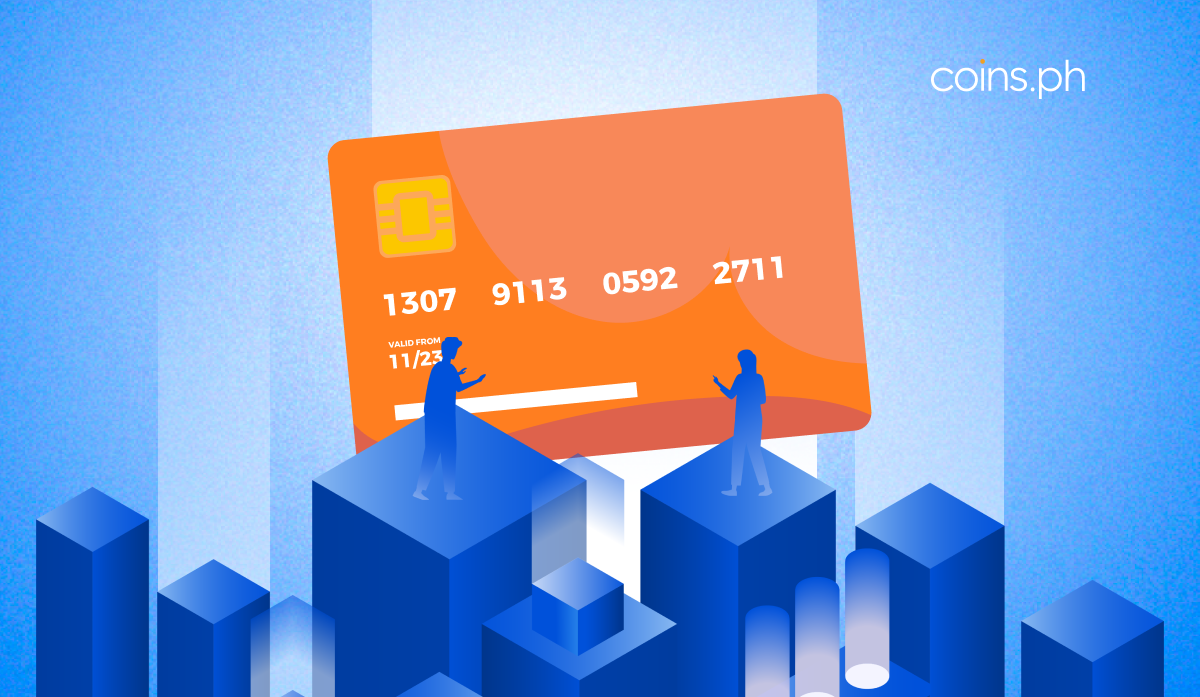
To test this complex sequence, developers require an abundance of diverse data. They need to simulate successful transactions, intentionally trigger expired card errors, and test invalid inputs. Using a real card for hundreds of automated test loops is not only impractical but highly insecure. Random credit card generators bridge this gap by producing structurally valid numbers that look identical to genuine cards to any local database.
When mastering these technical environments, continuous learning is key. To deeply understand how these data structures work and to explore comprehensive guides on safe implementation, it helps to follow expert insights. You can dive into practical tips and tutorials directly on the Cardgener Blog. Gaining a strong grasp of the underlying mathematical logic ensures that your testing remains both robust and compliant.
Why Modern Tech Educators are Shifting Focus
Traditional teaching methods often relied heavily on theoretical slides and abstract concepts. Today, cybersecurity bootcamps and web development academies favor immersive, hands-on labs. To teach students how to build secure web infrastructure, instructors must allow them to interact with realistic data scenarios.
Using random credit card generators transforms the classroom into a safe playground. Students can mess up code, crash databases, or misconfigure backend logic without any financial liability. It fosters a culture of trial and error—the exact environment where genuine engineering breakthroughs happen.
Building Financial Security Awareness in Students
Beyond technical proficiency, there is a psychological benefit to utilizing these testing tools in education. By explicitly providing students with simulated card numbers for their projects, instructors instill a vital security habit: never expose real financial data in staging, development, or local environments. This boundary trains the next generation of engineers to treat user privacy with the utmost respect from day one.
Best Practices for Using Random Credit Card Generators
While these tools offer immense freedom, understanding their structural boundaries is critical for ethical and effective deployment. A clear framework separates standard educational use from unnecessary troubleshooting:
Understand the Math: Generated numbers rely entirely on the Luhn algorithm (a simple checksum formula used to validate identification numbers). They pass front-end syntax checks because the math matches, but they possess no real-world value.
Zero Monetary Association: These numbers are completely disconnected from any actual bank account, line of credit, or monetary value. They will never clear a live payment gateway.
Keep it Local: Only deploy simulated data within your local development environment, closed testing sandboxes, or verified educational assignments.
Navigating the Landscape of Virtual Testing Tools
Many massive corporate payment gateways provide official sandbox environments for developers. While powerful, these platforms frequently come with a high level of friction, requiring lengthy registration processes, complex API keys, and heavy documentation reviews just to run a quick test on a basic input field.
For quick iterations, lightweight random generators offer an immediate alternative. They allow students and developers to maintain their workflow velocity, bypass administrative hurdles, and focus entirely on mastering their code.
Choosing the right approach depends on your project's scope. For an extensive breakdown of usage scenarios, platform updates, and industry compliance standards, checking out the knowledge base at the Cardgener Blog offers great clarity for both beginners and seasoned engineers looking to streamline their infrastructure.
Conclusion
The evolution of modern tech education relies heavily on removing barriers to entry. By transforming a potentially high-risk barrier like payment processing into a completely safe, mathematically sound learning exercise, random generators allow creators to build confidently. When backed by the right knowledge and a commitment to security, these simple tools accelerate technical growth while keeping our broader digital ecosystem entirely secure.
What about you? Have you ever run into obstacles while trying to integrate or test payment forms on your own projects? Let's discuss your development hurdles and favorite testing tricks in the comments below!


Write a comment ...